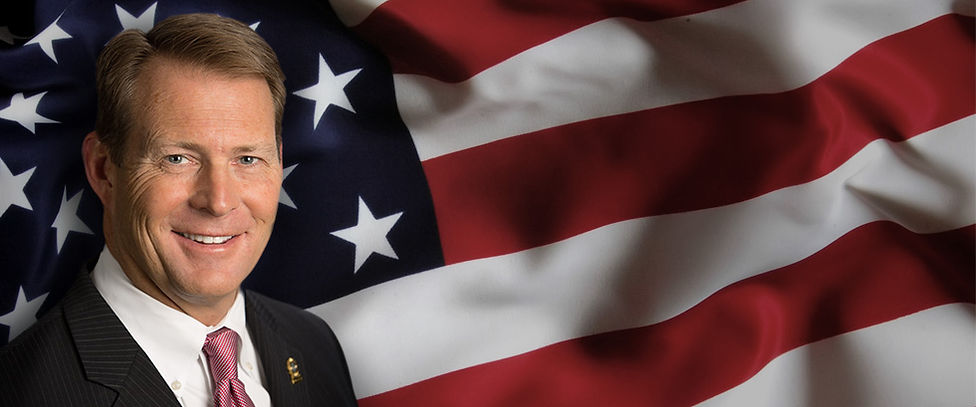
Daniel Patterson, a Libertarian from Indian River, is running for the Michigan State University Board of Trustees in the Nov. 3, 2026, general election.
He is one of 10 candidates competing statewide for two eight-year seats, according to the Michigan Department of State’s official candidate list.
Patterson responded to the Rochester Register candidate questionnaire on Oct. 5. Unless otherwise noted, the information and responses below come from that questionnaire.
Asked why he is running, Patterson criticized the board’s leadership and called for greater transparency.
“MSU's Board of Trustees is broken & needs change,” he said.
Patterson also cited President Kevin Guskiewicz’s description of board tensions as an “unsustainable situation” when announcing his planned departure. Guskiewicz subsequently withdrew his resignation and decided to remain at MSU, the university announced July 6.
Candidate information
Residence: Indian River, in Cheboygan County.
Background: Patterson said he was born in Lansing in 1971. He described his family’s connections to MSU as extending across generations.
Family: Patterson identified his wife, Lori, daughter, Ruby, mother, Jill, sister, Ashley, and late father, Dave.
Education: Patterson listed Lansing Sexton High School, Lansing Catholic Central High School and Michigan State University’s College of Agriculture and Natural Resources. He reported graduating from MSU in 1994.
Party affiliation: Libertarian. Patterson described himself as politically independent-minded.
“I'm on the ballot as Libertarian, but I am not beholden to any political party,” he said. “I'll work with anyone, any party or non-partisan for the betterment of MSU.”
Family in politics or government: Patterson said no family member works in politics or government.
Experience and public service
Patterson described his professional background as an ecologist, wildland firefighter and liaison officer, and retired U.S. Department of the Interior employee.
He also reported working for the Center for Biological Diversity and hosting radio programs at WJZD in Detroit and, previously, MSU’s Impact 89FM, WDBM.
Patterson served in the Arizona House of Representatives, according to the Arizona Legislature’s archived member profile.
His other reported public-service experience includes planning commission service, a board of adjustment, neighborhood leadership and nonprofit boards.
Asked what prepares him for the trustee role, Patterson cited his elected service, public-sector work and experience remaining calm during complex firefighting assignments.
He said his approach is to find common ground, listen to colleagues and debate disagreements respectfully.
On the issues
Board transparency: Patterson said board disputes have distracted from affordability, employment, academic and athletic performance, and free speech.
He opposes trustees signing nondisclosure agreements or accepting restrictions on their responsibilities. He also wants greater public scrutiny of investment decisions, executive compensation and initiatives such as Spartan Ventures.
“Decisions on investing MSU's $4.6 billion endowment need more sunlight,” he said.
MSU reported that its Common Investment Fund, which pools its long-term investments, was worth more than $4.6 billion as of June 30, 2025. The university’s endowment report explains that donor-funded endowments hold shares in that fund.
Affordability: Patterson supports expanding financial aid and working toward tuition-free access for Michigan high school graduates.
“Tuition & cost of living are too expensive & student loan debt is keeping people down,” he said.
He specifically called for expanding MSU’s Spartan Advantage program and strengthening partnerships with Lansing Community College and other Michigan community colleges to reduce students’ costs.
Budget oversight: Patterson said trustees should examine proposed budgets, question assumptions, debate alternatives and seek meaningful public comment before making decisions.
He said affordability must be considered alongside employees’ needs, academic programs, facilities and the university’s long-term finances.
Rural communities and natural resources: Patterson cited his farming, ecology and firefighting experience as perspectives he would bring to the board. His priorities include rural communities, agriculture, the Great Lakes, natural resources and energy.
Other priorities: Patterson expressed support for unions, scientific research and free speech. He also said he opposes Immigration and Customs Enforcement activity and Flock surveillance cameras on campus, supports divesting from weapons manufacturers supplying Israel, and opposes data centers and supports limits on artificial intelligence.
What sets him apart: Patterson emphasized that he is not an incumbent and described his background as a firefighter and ecologist as an alternative perspective.
He said he wants to build coalitions and represent the university community beyond those who vote for him.
About the race
The other candidates are Democrats Brianna Scott and Kelly Tebay Zemke; Republicans Julie Maday and Roger Victory; Libertarian Will Tyler White; U.S. Taxpayers candidates Janet Sanger and John Sanger; Green Party candidate John Anthony La Pietra; and Working Class candidate Yaz Ozbek, according to the official state candidate list.
This profile draws primarily on Daniel Patterson’s responses to the Rochester Register candidate questionnaire, with additional information from official election records, university materials, legislative records and published reporting. Responses have been excerpted and paraphrased; direct quotations retain his wording. Policy positions and assessments of the university’s leadership are attributed to him.