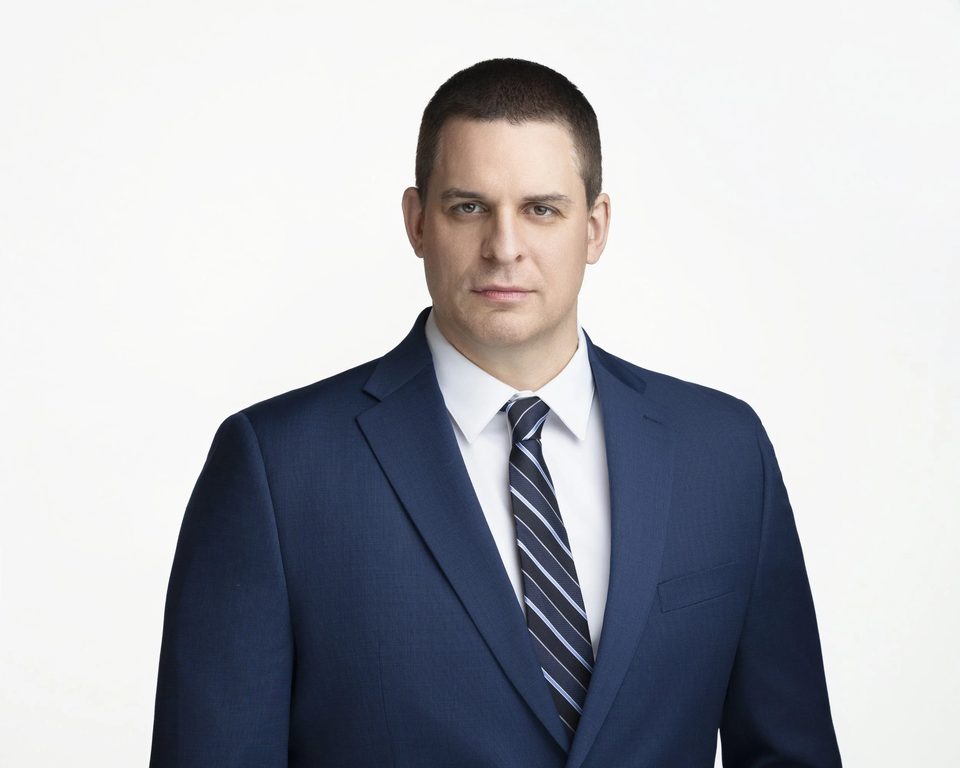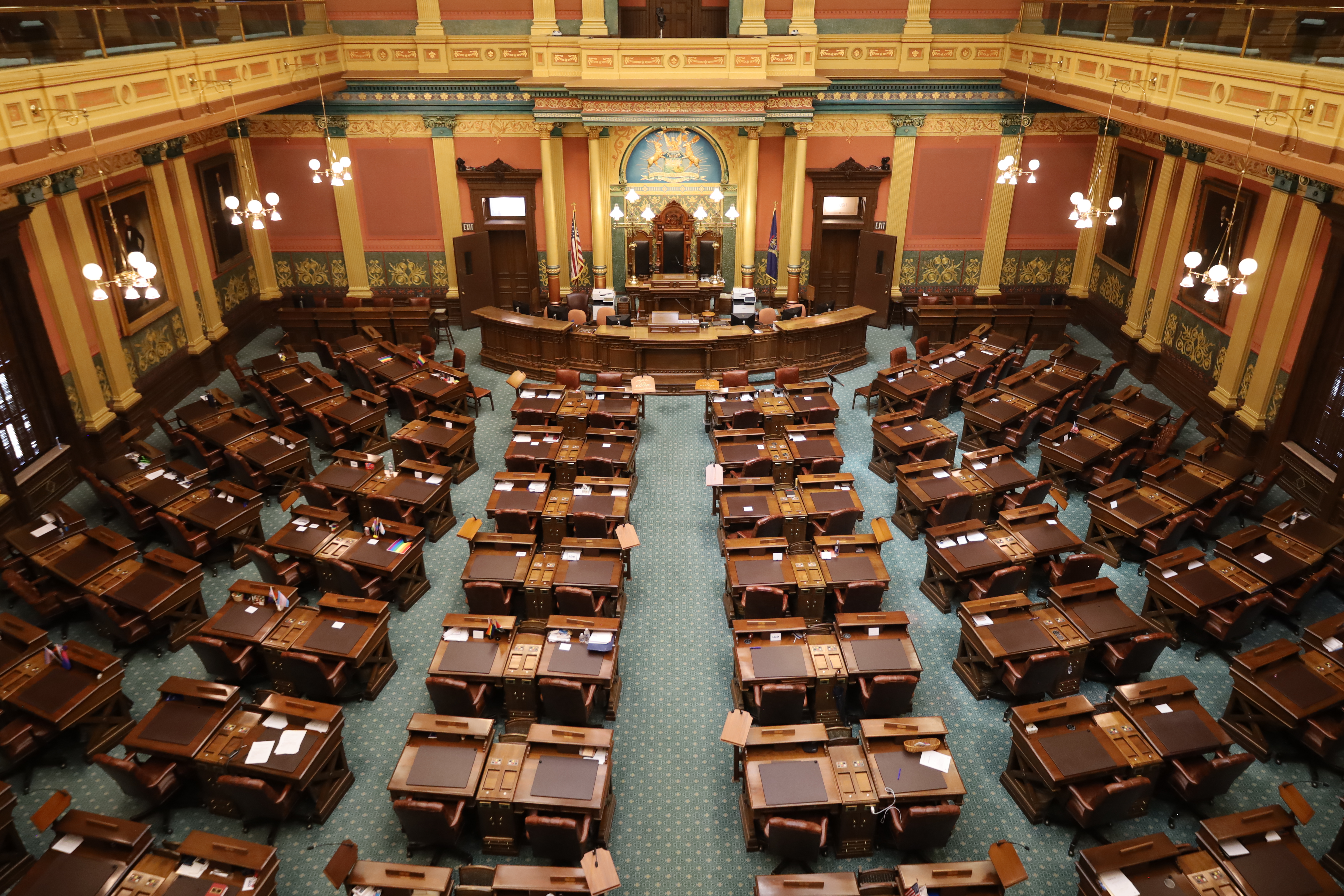
Rochester Hills state Rep. Mark Tisdel's bill banning former Michigan lawmakers from immediately becoming lobbyists is now law.
Gov. Gretchen Whitmer signed House Bill 4062, which creates a two-year cooling-off period before former state representatives and senators can register as lobbyists. The measure is now Public Act 74 of 2026, according to Michigan Legislature records.
"Elected officials are sent to Lansing to represent their communities, not to position themselves for a lobbying gig," Tisdel said in a statement announcing the signing. "By instituting a cooling-off period, we can help ensure decisions are made for the right reasons."
Tisdel, a Republican who represents House District 55, covering Rochester, Rochester Hills, and part of Oakland Township, introduced the bill in February 2025 as part of a three-bill ethics package. The House passed it on a bipartisan vote that same month. No opposition was presented in committee.
The new restriction applies to legislators whose terms begin on or after January 1, 2027. It does not apply retroactively to current lawmakers. Violators face a misdemeanor charge punishable by up to 90 days in jail, a fine of up to $1,000, or both.
Michigan previously had only a narrow restriction: former legislators who resigned mid-term could not lobby for the remainder of that term. A 2015 Center for Public Integrity study ranked Michigan last among all 50 states in laws preventing corruption, giving it an "F" in both legislative and executive accountability. According to a House Fiscal Agency analysis, similar revolving-door legislation had been introduced in Michigan every session since 2007-08 without passing.
At least 38 states already mandate a cooling-off period for former legislators, according to the National Conference of State Legislatures.
A companion bill, HB 4063, extends the same two-year ban to former governors, lieutenant governors, and heads of principal executive branch departments. Whitmer signed it the same day; it's now Public Act 75 of 2026.