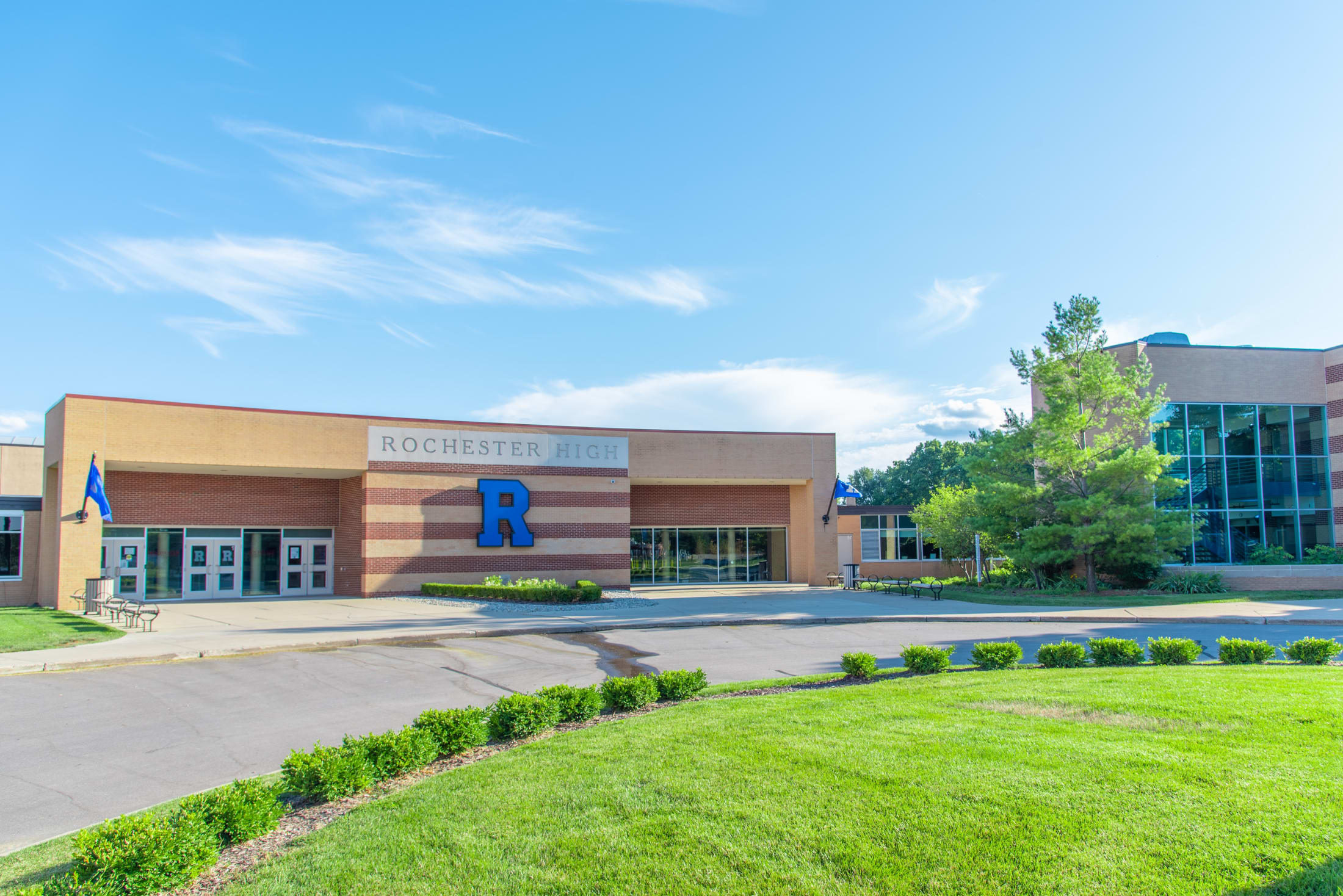
Rochester Community Schools students walked into classrooms Tuesday, Sept. 8, with a new rule in their pockets: phones stay off during class.
Michigan's statewide cellphone ban took effect with the 2026-27 school year, making the state one of at least 36 to restrict student device use during instructional time. Gov. Gretchen Whitmer signed House Bill 4141 and Senate Bill 495 into law on Feb. 10. Together they form Public Act 2 of 2026.
The law's author is State Rep. Mark Tisdel, a Rochester Hills Republican who represents House District 55, covering Rochester, Rochester Hills and part of Oakland Township. In a Jan. 19 post on the Michigan House Republicans website, after the House passed his bill 99-10 on Jan. 14, Tisdel called the vote "a big deal" and predicted swift Senate passage.
The state law bans phones only during instructional class time. Rules for hallways, lunch and other non-instructional periods are left to local districts, according to a Hoodline report on the legislation.
How Rochester's policy works
Rochester Community Schools published a tiered policy on its website. Elementary students cannot use any wireless device or wearable technology during the school day. Middle schoolers face the same restriction but may use devices before and after school. High school students can use phones during passing time, lunch and before and after school, but not during classroom instruction.
Wearable technology covered by the policy includes smartwatches, personal Bluetooth earbuds and artificial intelligence eyewear.
Discipline escalates in steps. A first offense brings a verbal warning. A second means confiscation until the end of the day. Repeated violations can lead to confiscation with a parent required to pick up the device in person, a parent-teacher conference or a Code of Conduct infraction.
Exemptions built into the law
Public Act 2 of 2026 carves out six categories of exemptions. They include medically necessary devices such as continuous glucose monitors, district-owned devices and devices designated for instructional purposes. Special education devices, Section 504 or Individualized Education Program (IEP) accommodations, and lesson-specific assignments at a teacher's discretion are also exempt.
Emergency use is allowed, though the law specifies that device use must not interfere with school emergency protocols or first responders. Senate Bill 495 requires every district's emergency operations plan to detail how student cellphone use will be controlled during a crisis.
Enforcement and safety concerns linger
Parents worry about being cut off from their children during emergencies. Kerri Bennett, a Salem High School parent in the Plymouth-Canton district, told The News Herald she fears losing contact with her daughter during a lockdown. "I do worry I won't be able to contact Lilly if I know there's a lockdown," Bennett said.
That concern is widespread. A RAND Corporation survey found that 81 percent of youth who opposed classroom phone bans cited the need for parents to reach them as their top reason. Adults surveyed agreed.
State Rep. Matt Koleszar, a Plymouth Democrat and former teacher who supported the ban, said parents can call the school office in an emergency, according to The News Herald.
Teachers face uncertainty, too. Kelly Giromini, an English teacher at Salem High School, said in July that teachers had not been told what enforcement would look like. She expected a rough start, according to The News Herald.
What the research shows
A 2026 National Bureau of Economic Research working paper examining data from about 4,600 schools found that cellphone bans produced virtually no change in standardized test scores over three years. Disciplinary incidents rose in the first year but faded afterward. Student well-being dipped initially, then turned positive by the third year.
No named Rochester Community Schools administrator, teacher, student or parent has spoken publicly about how the ban's first day unfolded at local schools.