Police departments across Michigan are debating whether to let artificial intelligence help write their reports, and it's unclear where agencies serving the Rochester area stand.
A WXYZ 7 News investigation published Wednesday, Sept. 16, found that most departments across the Detroit area say they're in no hurry to adopt AI report-writing technology, though no Rochester, Rochester Hills or Oakland Township department was named or quoted taking a position. In Oakland County, individual police departments set their own guidelines. No countywide mandate exists.
"With every police report, our position is that each officer authoring a report is responsible for the veracity of its content and must be prepared to testify under oath about its content," Oakland County Chief Assistant Prosecutor David Williams said.
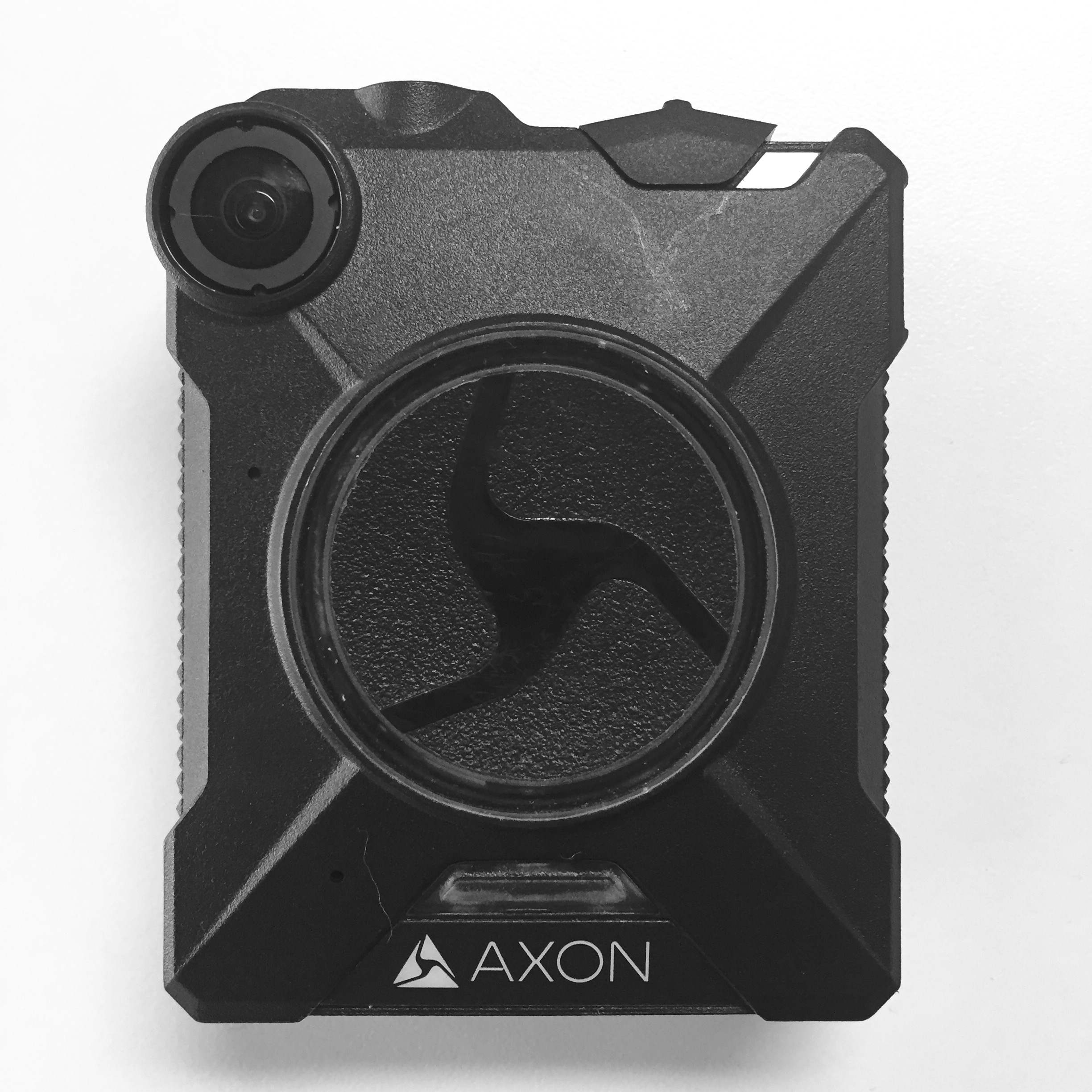
The most common AI report-writing tool in Michigan is Draft One, made by Axon, the company behind many police body cameras. It transcribes body camera audio into a summary that officers review and edit. The tool inserts deliberate errors that officers must catch before submitting.
Rochester's police department deployed new Axon body-worn and in-car cameras in 2025, according to its annual report. That report made no mention of AI report-writing tools.
Prosecutors urge caution
Wayne County Prosecutor Kym Worthy sent a letter to all police chiefs in her county on Tuesday, Sept. 15, warning that AI-generated reports could undermine criminal cases. Worthy called the technology problematic, saying AI could produce errors that jeopardize prosecutions, according to the WXYZ investigation. She is drafting a formal countywide policy she expects to complete in a few weeks.
The Macomb County Prosecutor's Office is asking agencies to consult before adopting AI tools. Spokesperson Esther Wolfe said required safeguards would include labeling AI-assisted reports, requiring meaningful officer review and supervisory approval.
Research questions accuracy
A University of South Carolina study put the technology to a rigorous test. Researchers ran a triple-blind experiment in which 92 expert law enforcement reviewers, sergeants and above averaging 21.8 years of experience, evaluated 80 police reports. Reviewers rated AI-assisted reports significantly lower on accuracy than officer-written ones. They could not tell the two types apart at better than chance.
Ian Adams, an associate professor of criminology at the University of South Carolina and a former police officer, led the research. His team also found that Draft One did not save officers time because they still had to verify summaries and correct mistakes, according to an ACLU summary of the findings.
"It's better to proceed slowly here because the consequences in policing are so significant," Adams told WXYZ.
Early adopters see uneven results
Warren Police began a 60-day pilot of Draft One in August 2026. Officers there are required to write only 10% of each report's narrative. About three weeks in, Warren Police Commissioner Eric Hawkins told WXYZ that results were uneven. Skilled report writers saw little improvement, but officers who struggled with writing found the tool helpful.
Outside Michigan, some prosecutors have drawn harder lines. King County, Washington, will not accept cases built on AI-written reports. Connecticut paused AI-assisted reports statewide. California and Utah have enacted laws requiring disclosure when AI is used in police reports, The Oakland Press reported.
No Rochester, Rochester Hills or Oakland Township police department has made a public statement on whether it has evaluated or plans to adopt AI report-writing tools.